A Brief History of Old Sarum
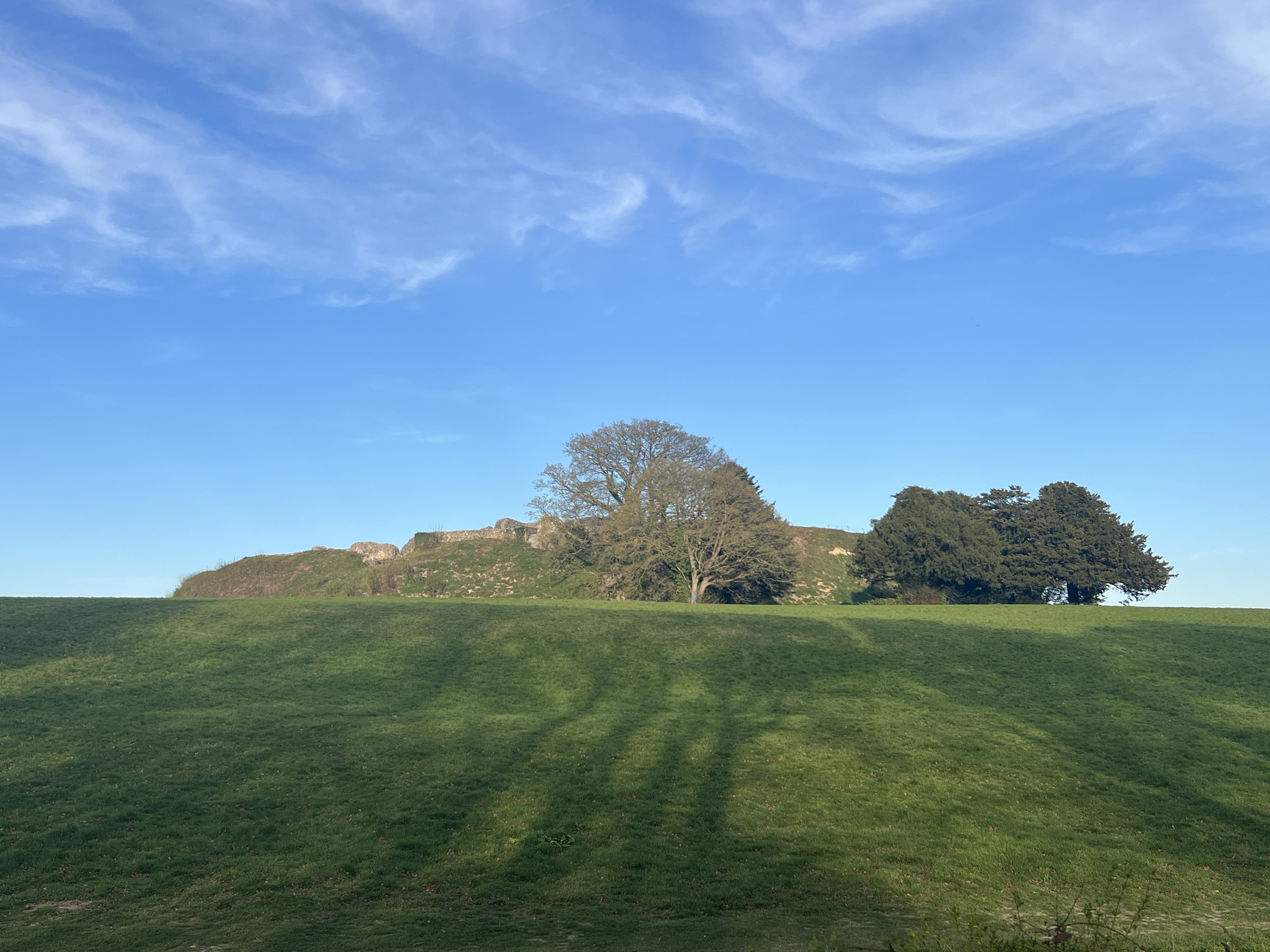
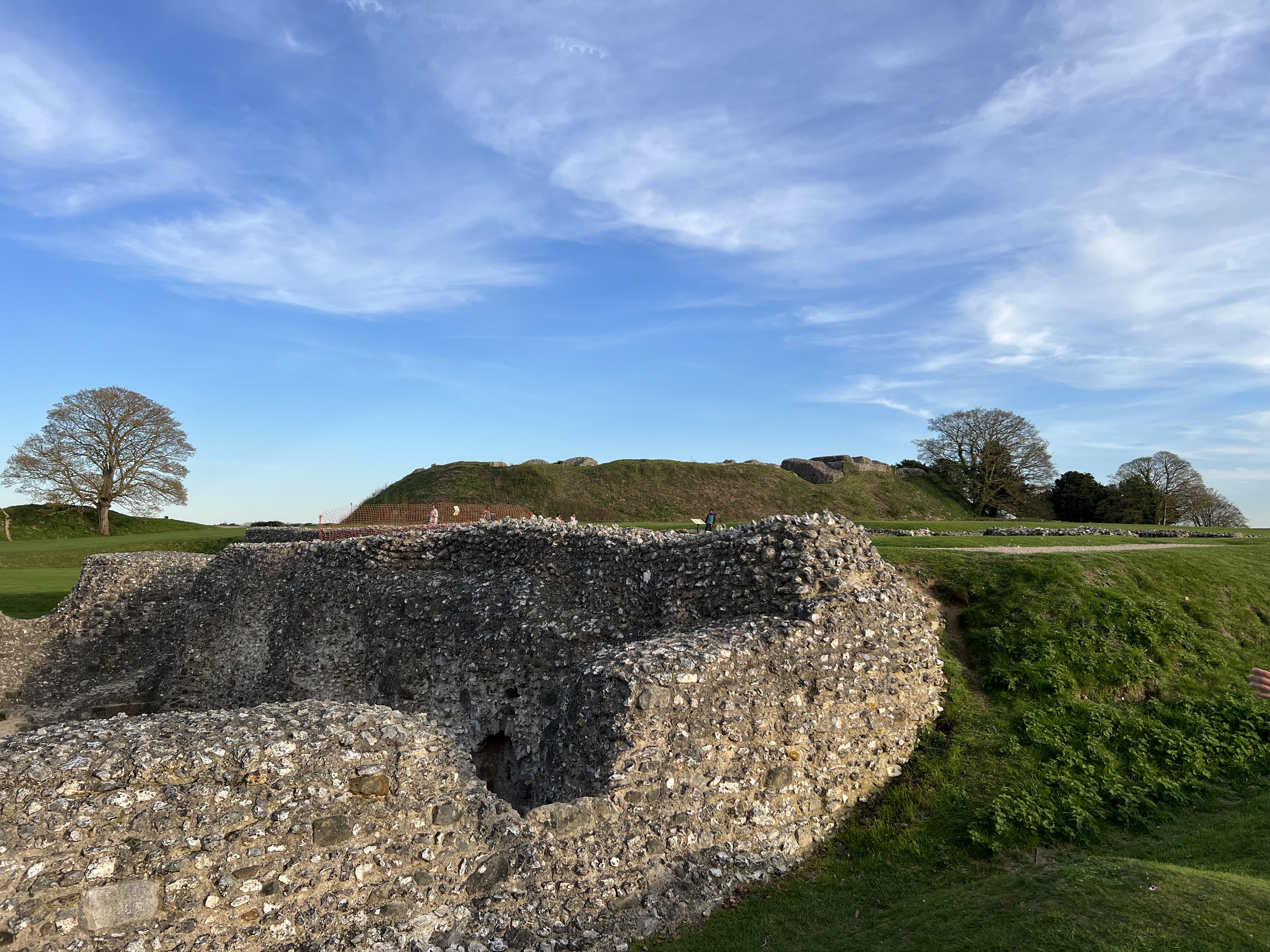
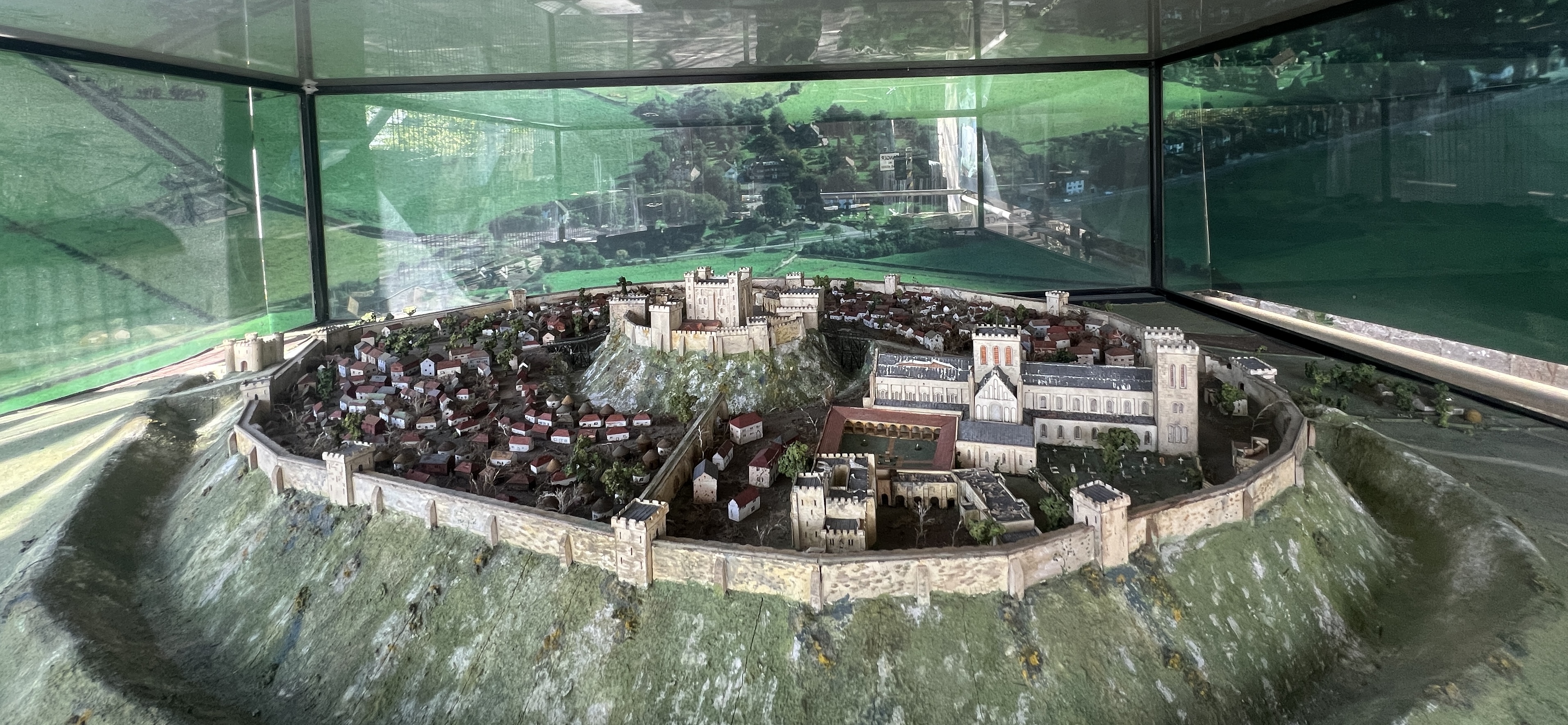
Old Sarum is a historic site in Salisbury, England. From around the time of the Norman Conquest (11th century), it was a royal residence with both a castle and cathedral. Today the ruins create a beautiful attraction situated on top of a man-made motte. The location traces its origins back to as early as 400 BC, when it likely originated as a fort, and was soon conquered by Romans. In more recent history the castle was recognized by William the Conqueror, utilized by royals, and changed and expanded upon. Eventually a new area was deemed as a superior location, and in 1194 a royal decree sentenced Old Sarum to be left behind, and a new cathedral to be built. By 1226 the administrative and religious leadership was relocated to the new center of Salisbury (New Sarum), where the Cathedral is still in use today. With this change, Old Sarum was neglected and largely left unattended until becoming part of the English Heritage in 1892.
You can read all about how to visit the modern Cathedral below!
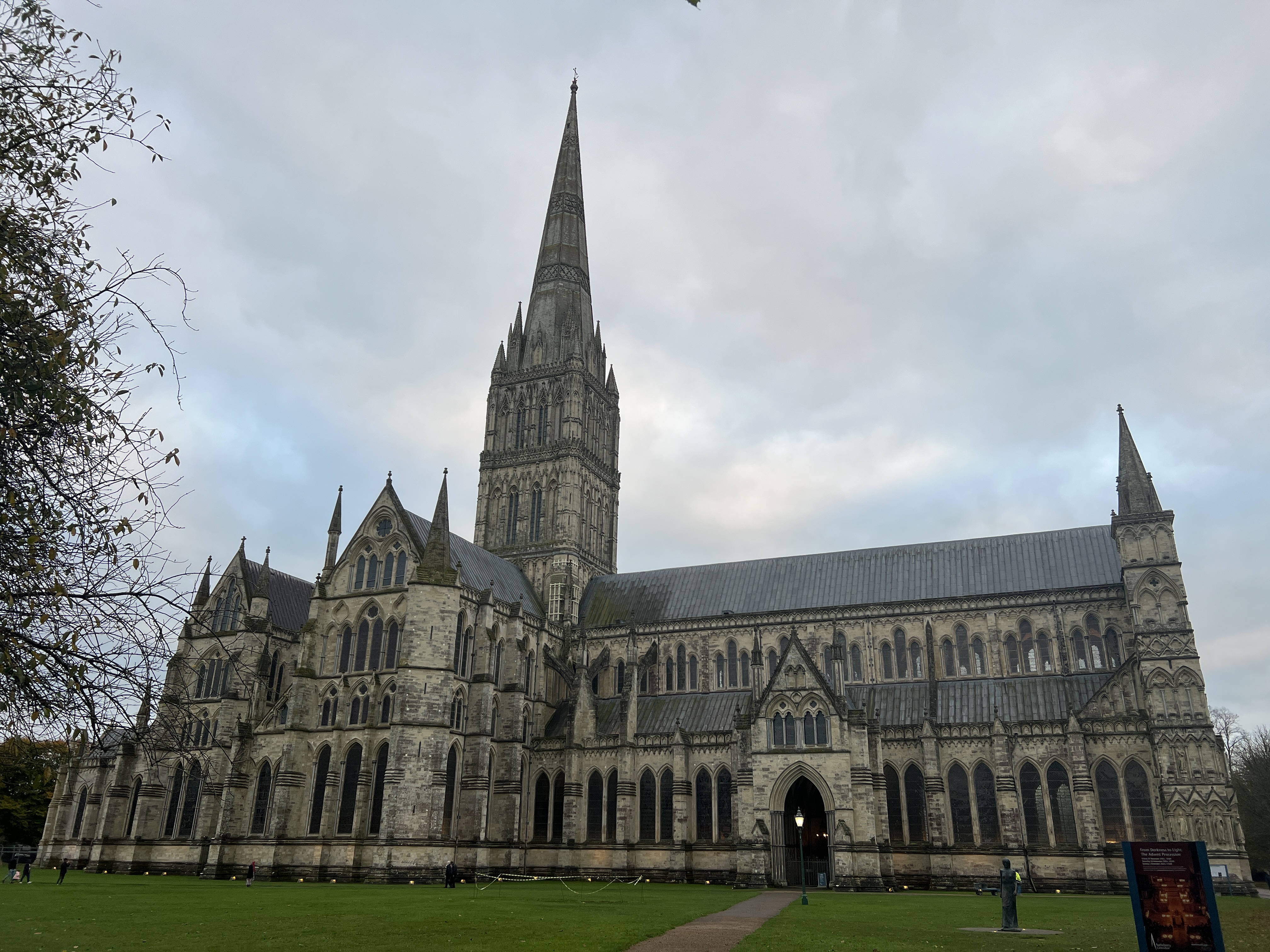
The 2026 Complete Guide to Visiting Salisbury Cathedral
The history of Salisbury Cathedral, how to see the Magna Carta, the World's Oldest Working Clock, and more!
It's Iron Age Origins
Long before the Normans arrived, Old Sarum was a site of massive strategic importance. Around 400 BC, Iron Age settlers recognised the defensive potential of the hill, carving out the massive earthen ramparts that still define the site today. When the Romans invaded, they established a settlement known as Sorviodunum, turning the hillfort into a key junction for their road network. For centuries, the site served as a vital link across the Wiltshire landscape, with up to 6 Roman Roads converging on the site.
The Norman Conquest
After the Norman Conquest of 1066, William the Conqueror recognised the site and had a motte-and-baily castle built around 1069-1070. The Normans transformed the site, building a massive man-made motte (a raised earthwork) to support a timber, and later stone, fortress.
For over a century, the Sheriff (representing the King) and the Bishop lived side-by-side within the same walls, but this created tensions that eventually contributed to Old Sarum's end.
Why was Old Sarum Abandoned?
By the late 12th century, life at Old Sarum had become unbearable for the clergy. They complained of:
- The Weather: The hilltop is incredibly windy, making it hard to hear the services inside the cathedral.
- Water Shortages: Being on top of a chalk hill made access to water difficult and expensive.
- Conflict: The soldiers in the castle and the monks in the cathedral frequently clashed over land and access rights.
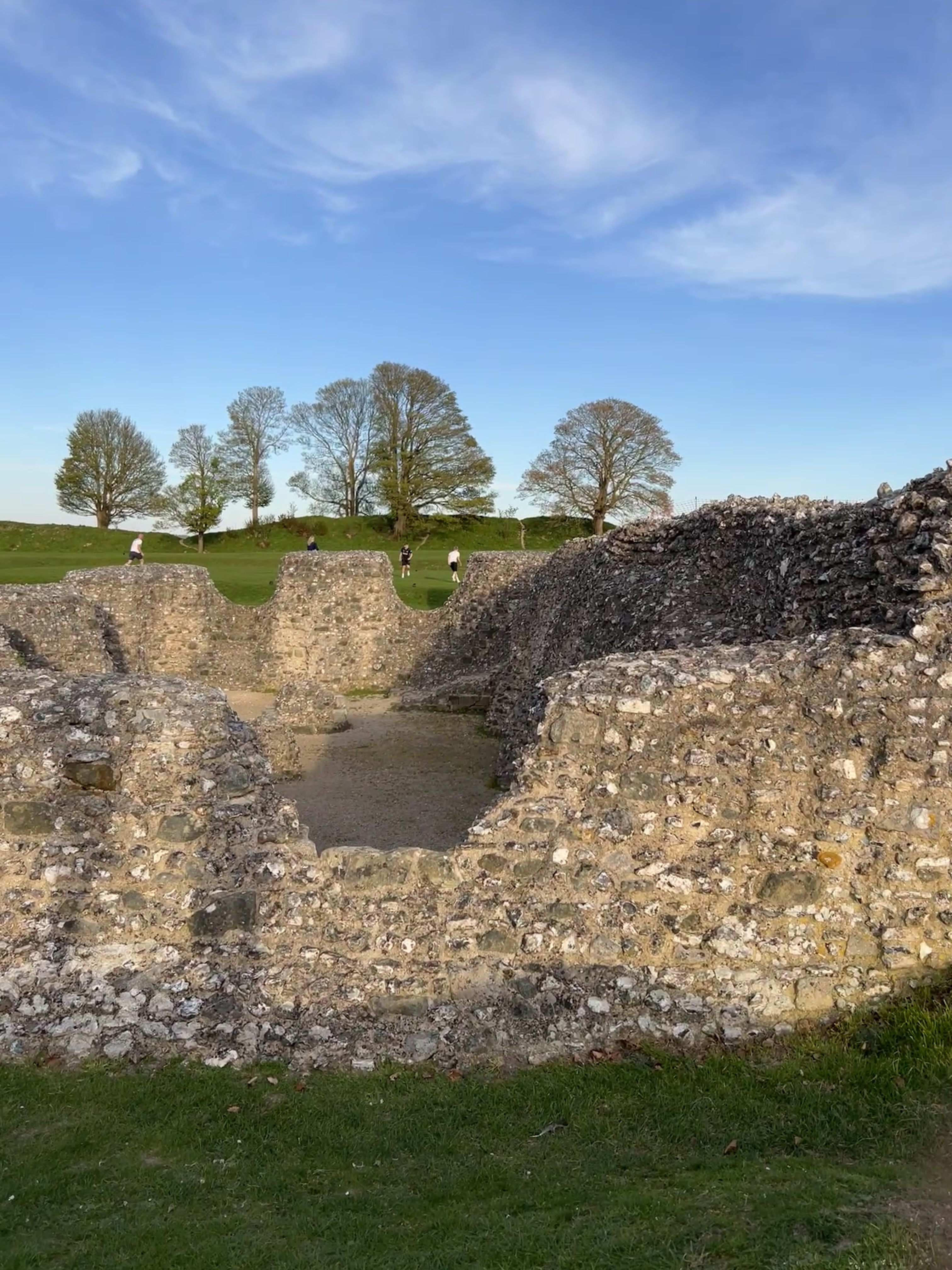
In 1194, a royal decree officially started the moving of the city. By 1220, the foundation stones of the "New Sarum" (modern-day Salisbury) were laid in the valley below. By 1226, the administrative and religious parts of the city had completely relocated to the new Salisbury Cathedral, which still claims the title of tallest cathedral spire in the country.
The Rotten Borough
Once the cathedral moved, Old Sarum fell into a long period of neglect. While the castle remained in use for a time, it was eventually stripped of its stone to build the new city below. Old Sarum remained what we came to call a "Rotten Borough" for centuries. Even though no one lived there, the "city" still sent two Members of Parliament to London until the Reform Act of 1832. In 1892, the site finally received protection, becoming part of what we now know as English Heritage.