About Salisbury Cathedral
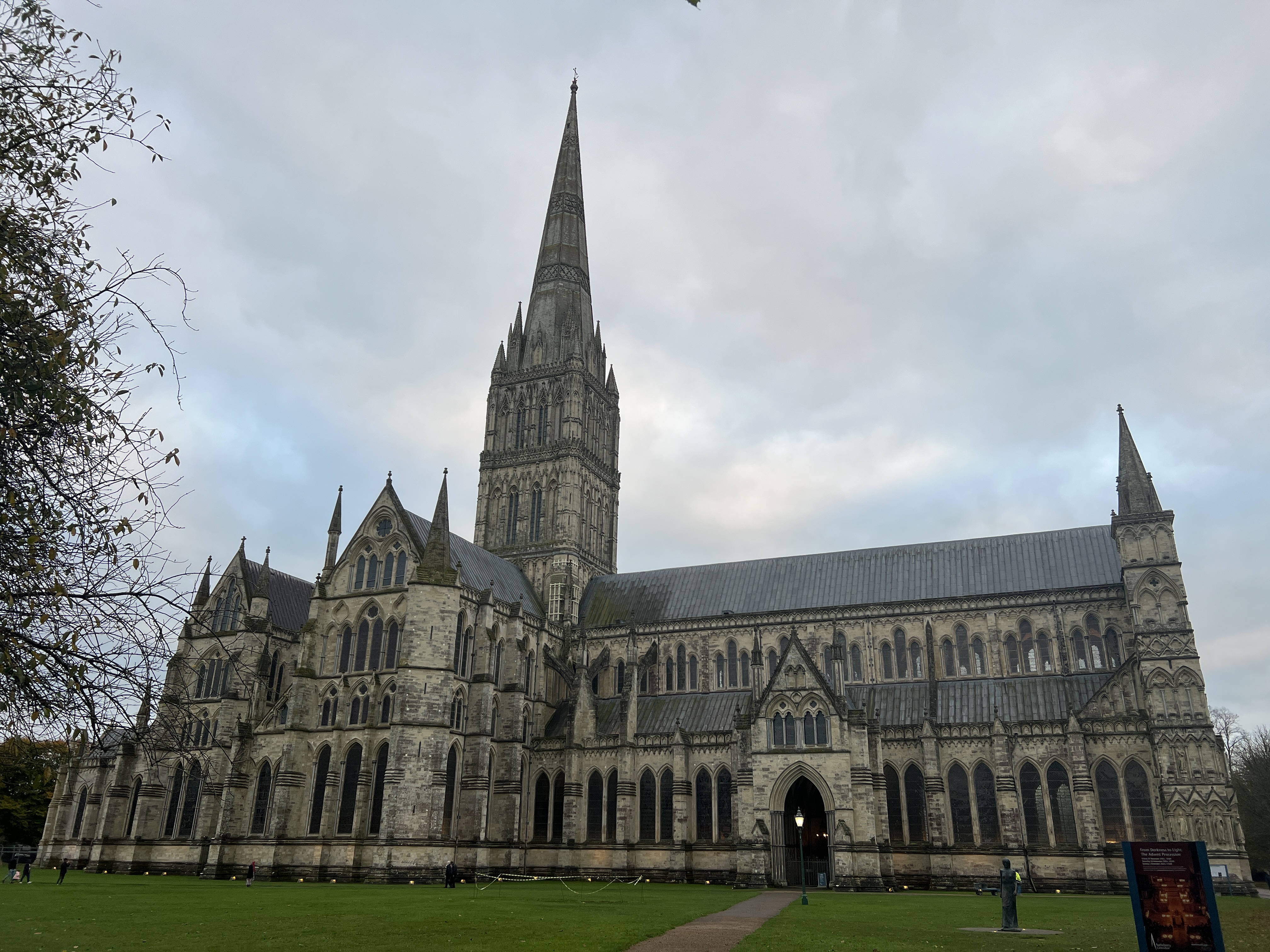
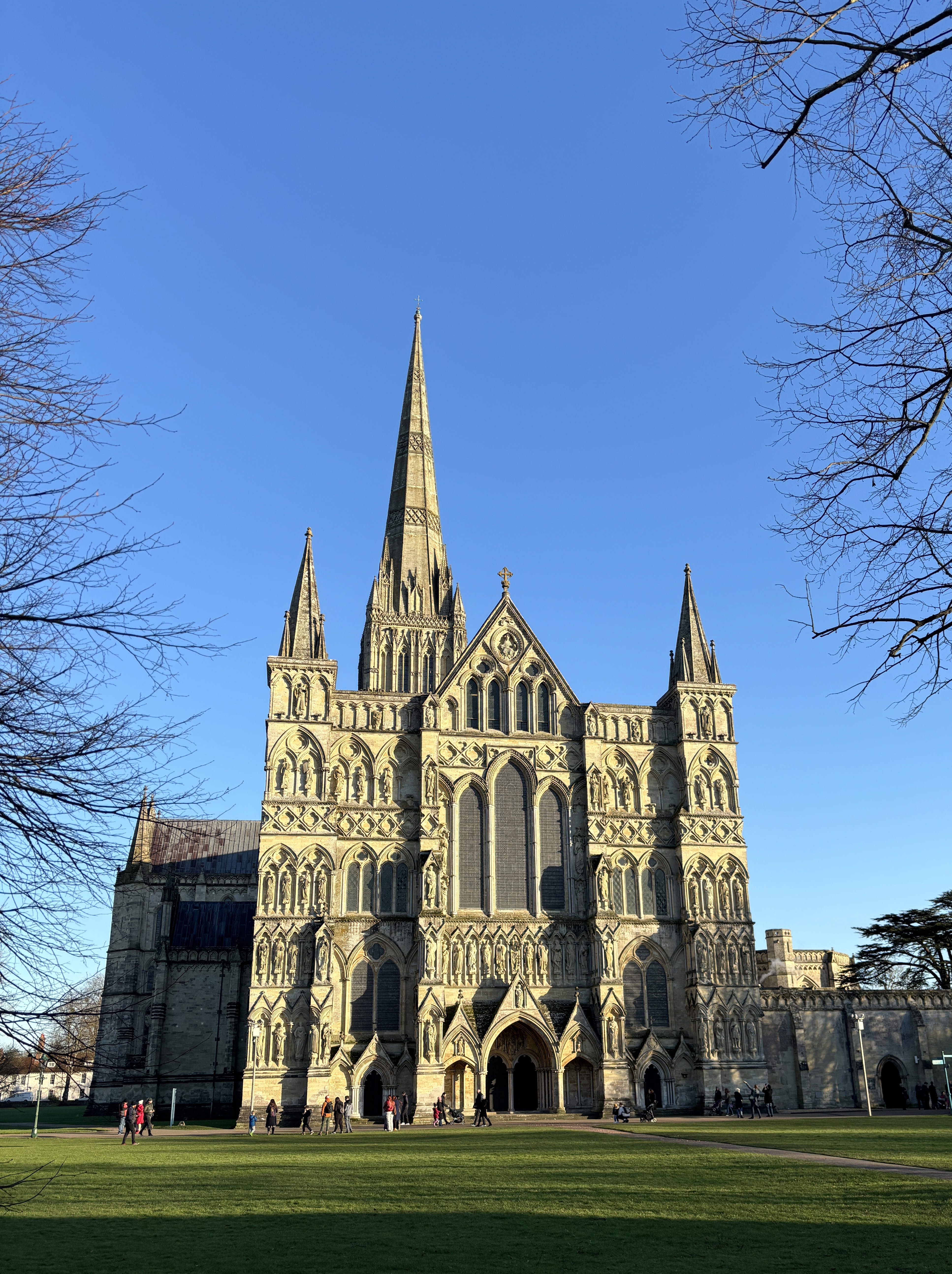
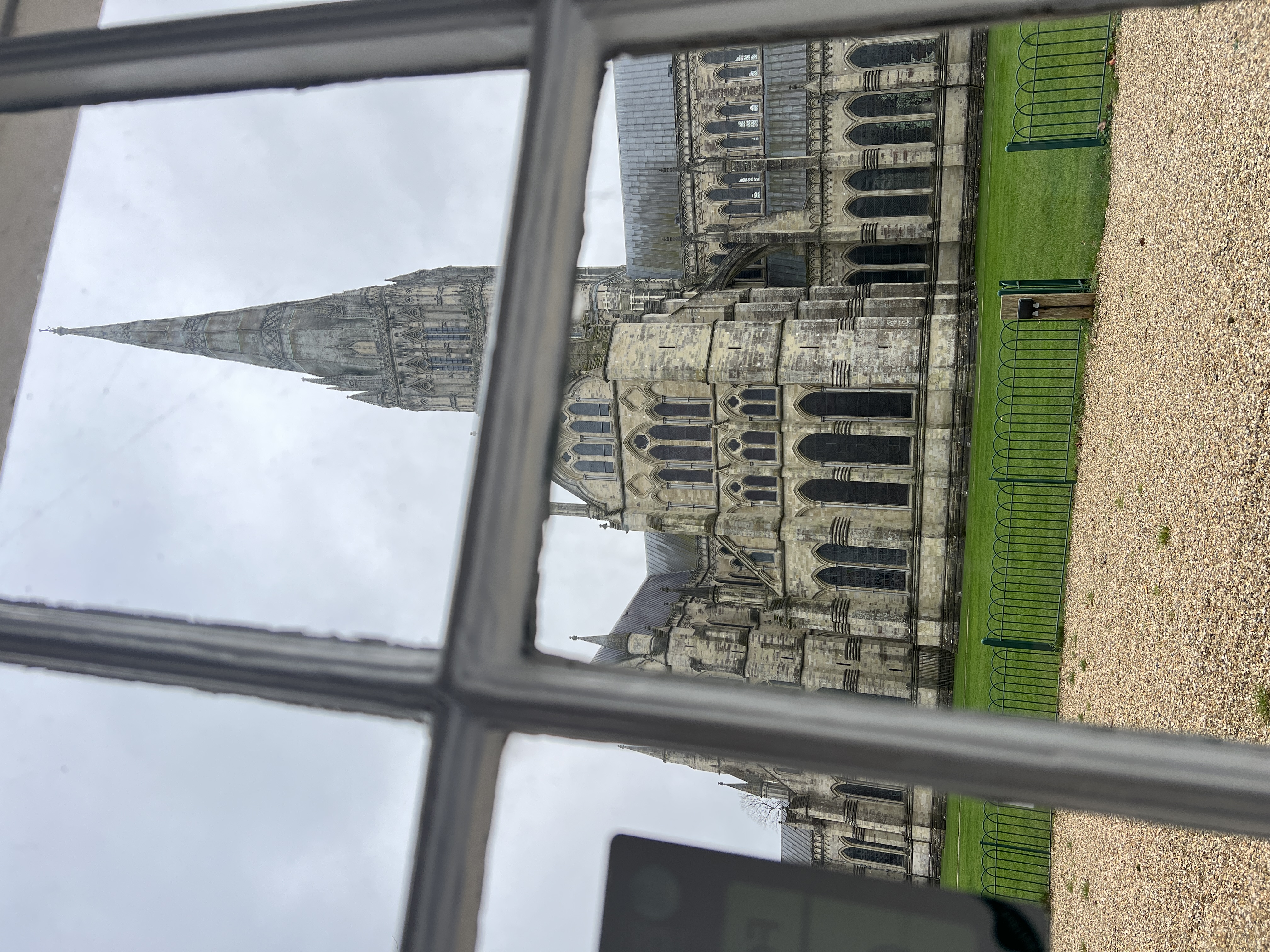
Salisbury Cathedral is the tallest cathedral in England, with a height of 123 meters, or 404 feet. Work started on the main body of the cathedral in 1220, but the spire wasn't completed until roughly 1330. The cathedral contains the country's largest landscaped cloisters, sitting in the largest cathedral close in Britain, roughly 80 acres. The world's oldest working clock sits in the main body of the cathedral, and the best preserved original copy of the Magna Carta lives in the Chapter House. Because it was built so quickly, it is one of the few cathedrals with a single, consistent architectural style: Early English Gothic.
Getting To Salisbury Cathedral
The cathedral is very central, and is only a couple of minutes away from the city centre.
By Train
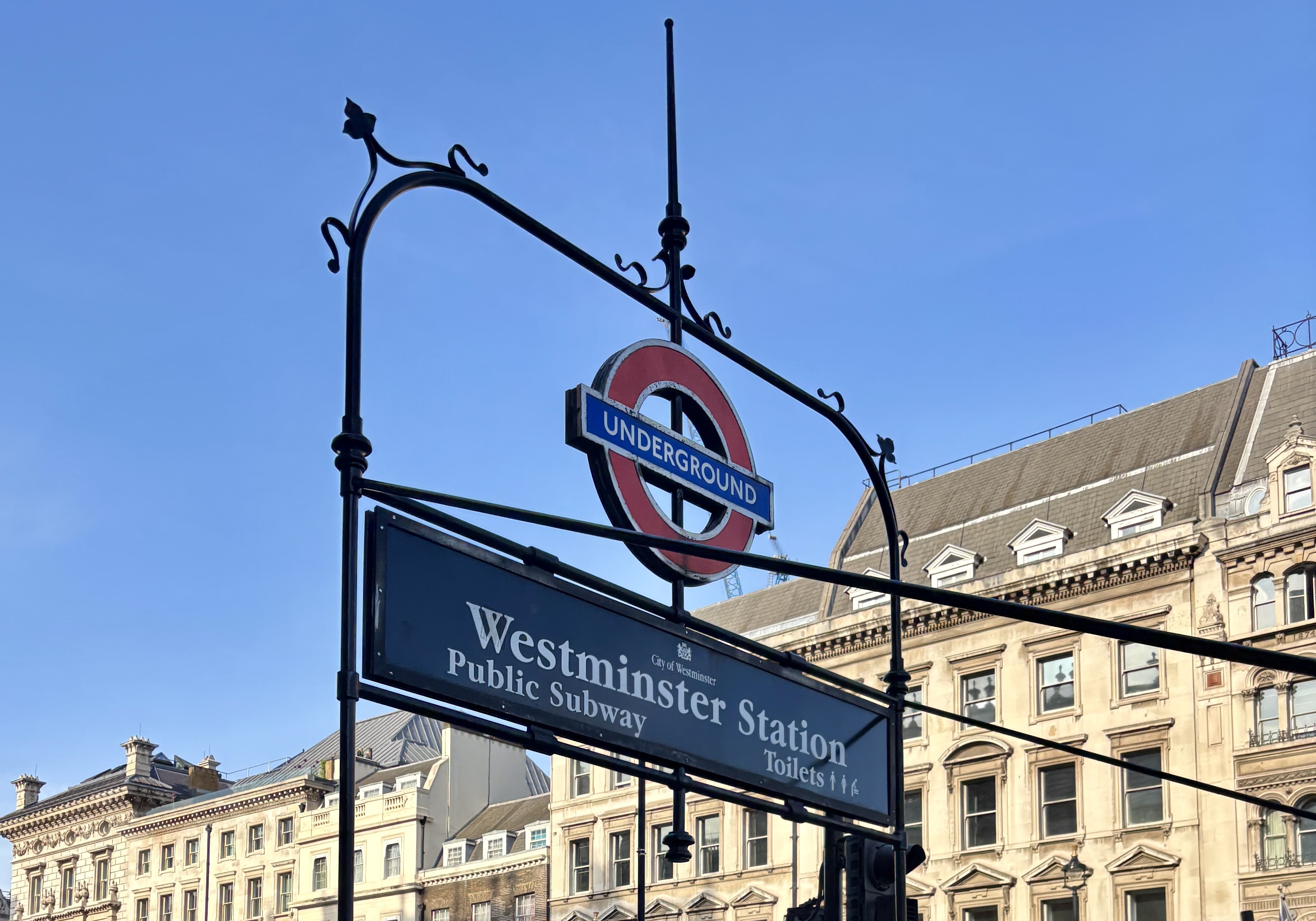
If you're arriving to Salisbury via the train station, the cathedral is roughly a 10 minute walk past Elizabeth Gardens and through the High Street Gate.
By Car
If you're driving, head through the High Street Gate and you'll find a member of Salisbury Cathedral staff ready to direct you. Parking costs £10 per day for a car, or £3 for a motorbike. The carpark is on-site, situated just behind the cathedral and accessible only through this main gate. Be mindful that the gates lock at 11PM, so you will be trapped inside if you're still parked there by this time.
The Cathedral Close
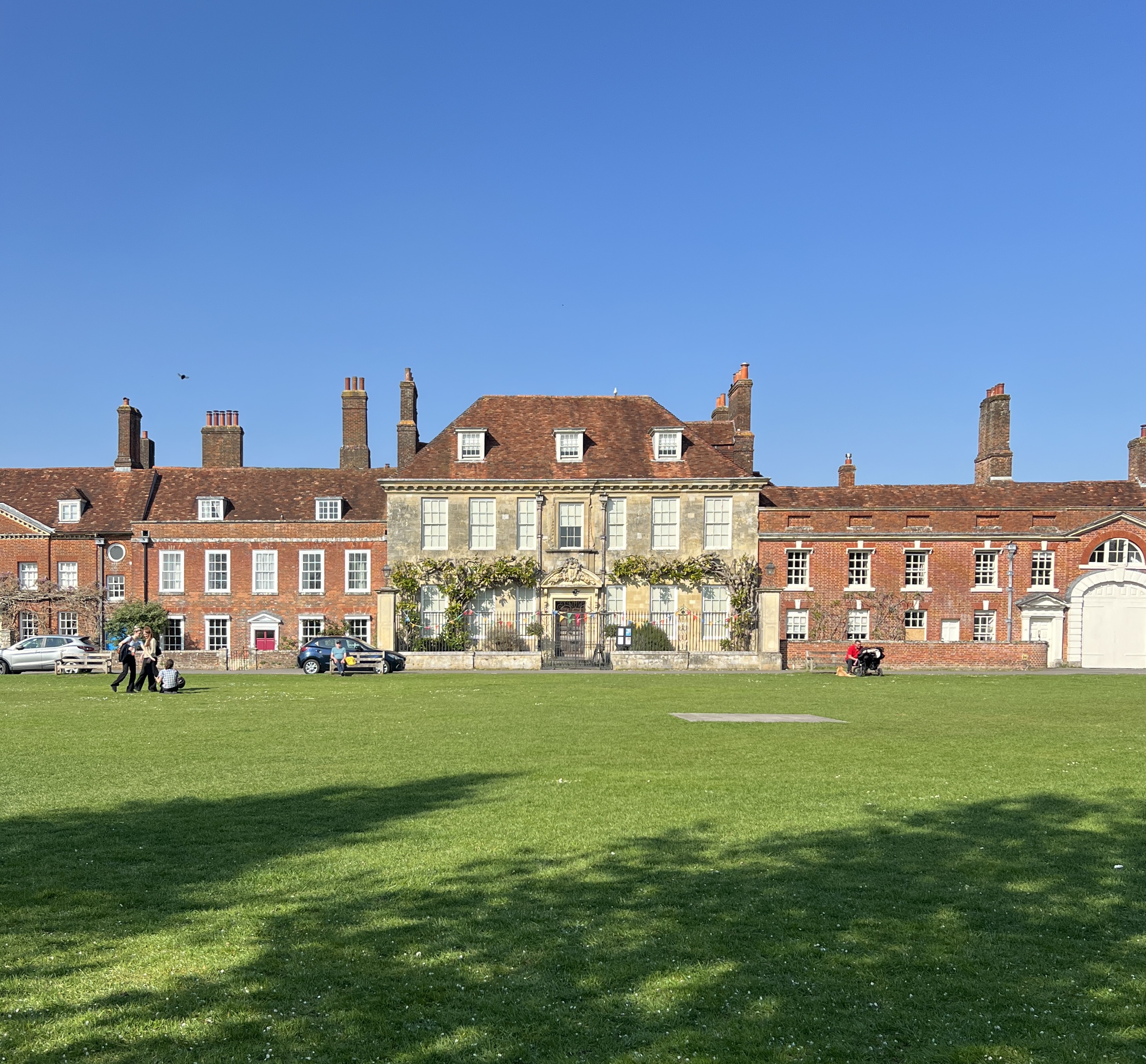
A cathedral close in an enclosed area surrounding a cathedral, traditionally operating under the church's authority. The Cathedral Close in Salisbury is the largest in the UK, featuring stone walls protecting a big green space. The stone in the walls was taken from Old Sarum when the city moved, and you can still see original marks and graffiti left by stonemasons from thousands of years ago. You can read more about the move of Salisbury and its cathedral from Old Sarum below!
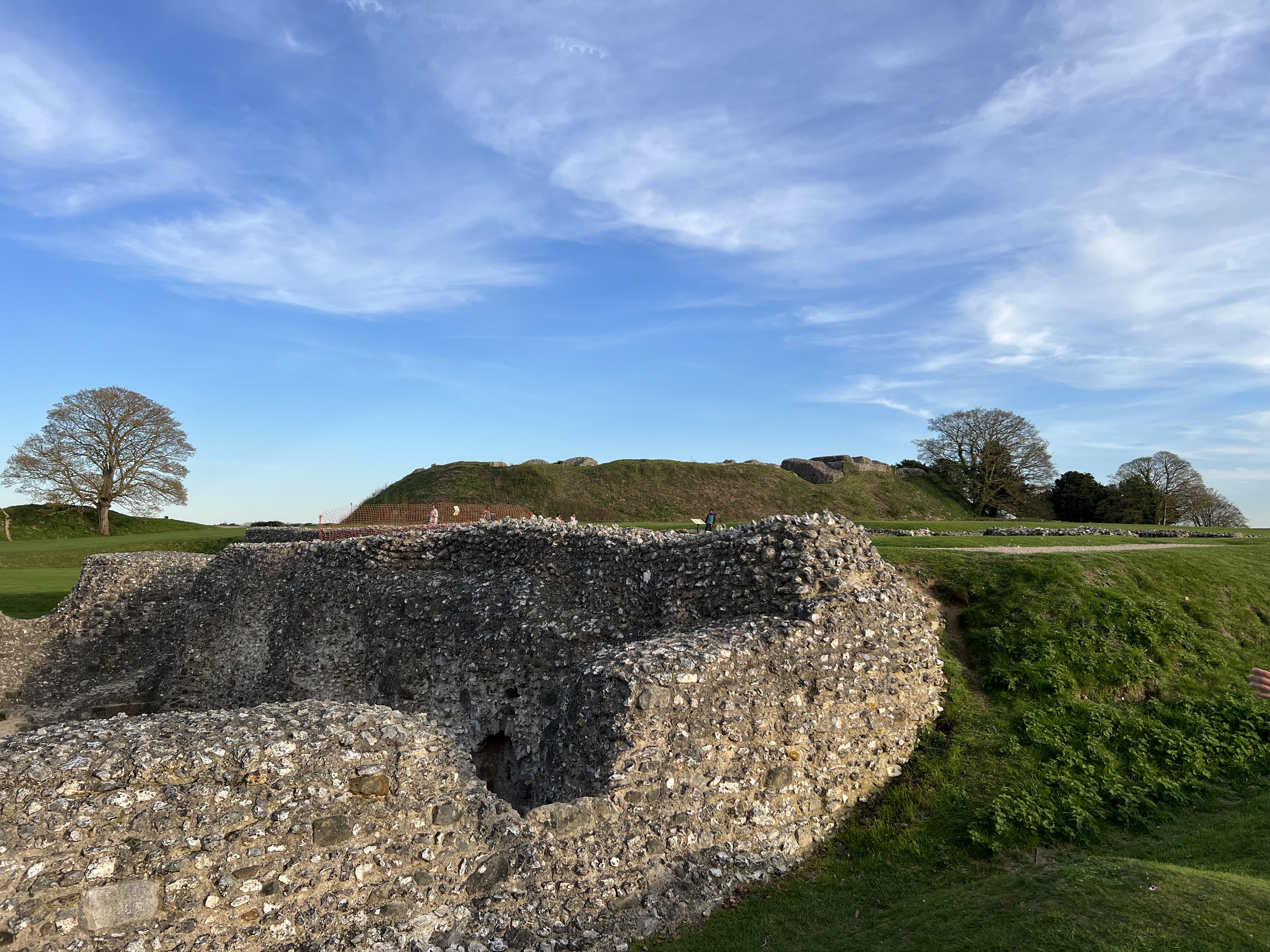
The History of Old Sarum, The Original Salisbury
Old Sarum's Iron Age and Medieval History
In the close, you can observe the outside of the Cathedral and enjoy tea and cakes in the Bell Tower Tea Rooms (open seasonally). It also contains two schools, a series of museums, and many stately homes. The close has been home to prime ministers and famous painters, and Nobel Prize winners have worked at the schools situated inside its walls.
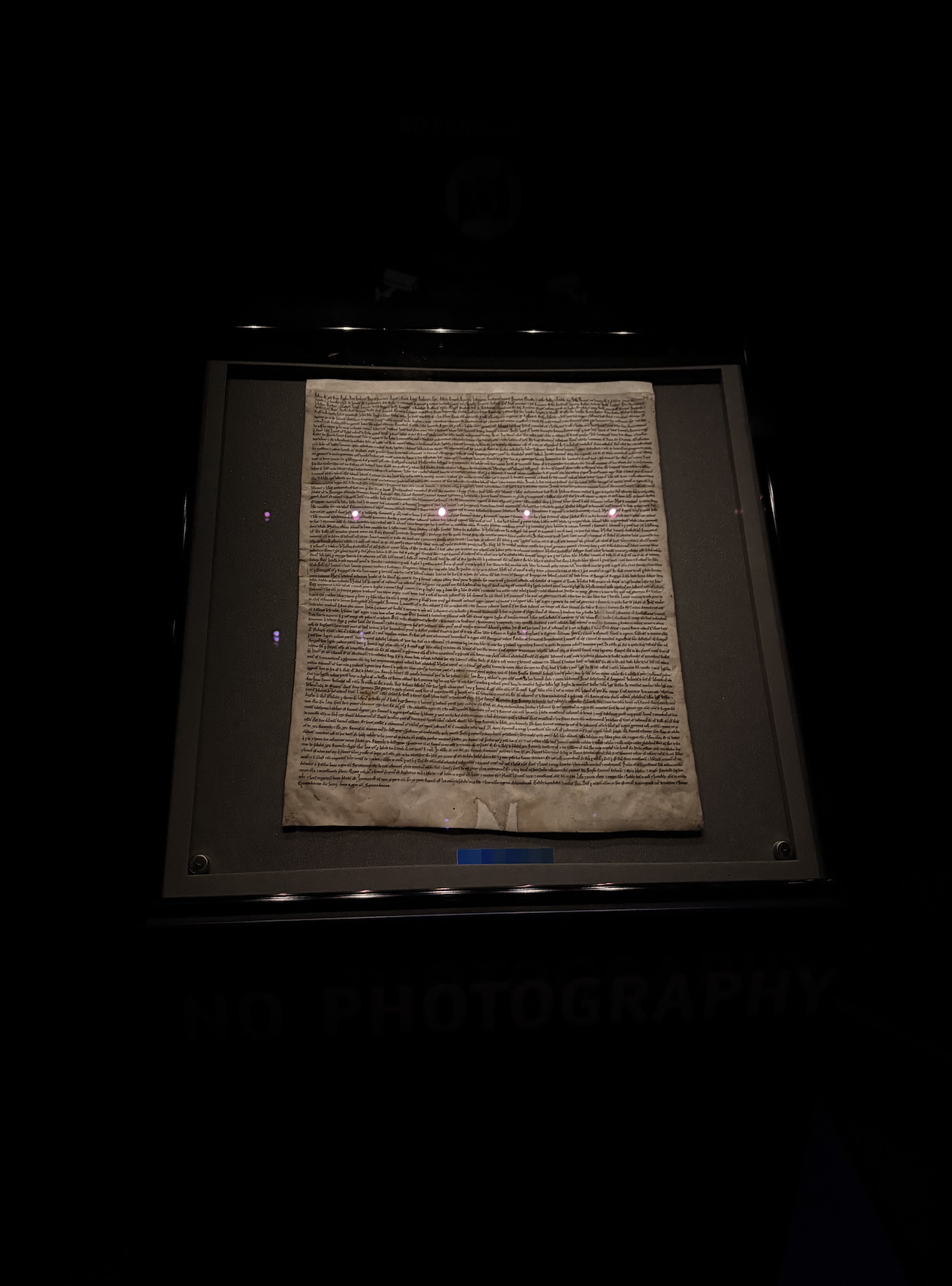
The Magna Carta at Salisbury Cathedral
There are four original surviving copies of the Magna Carta, England's ancient legal document from 1215. It was written by barons and nobles of the time, who forced King John to seal it, forever changing how the monarchy and government collaborated. The best preserved copy of the original four is held at Salisbury Cathedral, and admission to it is included in a standard ticket price. It can be found in the Chapter House, an octagonal building with medieval columns depicting scenes of Genesis and Exodus. If you enter the cathedral through the main visitors entrance and walk through the cloisters, the entrance to the Chapter House is clearly marked.
Attempted Theft
In 2018, Mark Royden attempted to steal the Magna Carta from its protective case in the Chapter House. Believing the document was fake, he tampered with a security camera and set of the fire alarm as a distraction. He was unable to break through the protective case and was detained after being chased by members of the public and cathedral staff.
The Magna Carta was locked away and examined for damage, but its defenses worked. In order for the document to be re-released into the Chapter House, a new case was built with hidden safety features. This has the title of the most secure protective case in the country.
The World's Oldest Working Clock
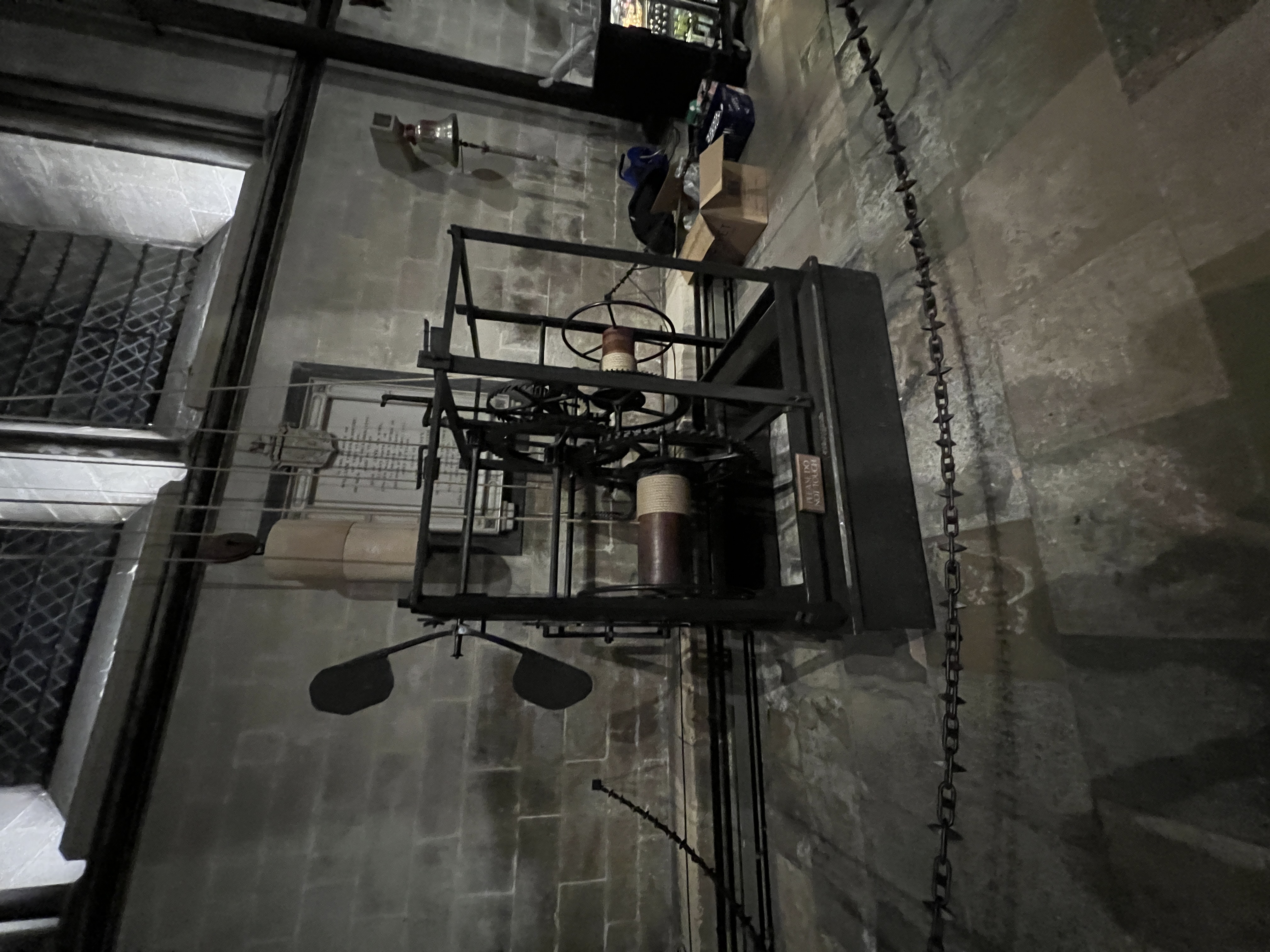
Tucked away in the north aisle in Salisbury Cathedral is widely recognised as the oldest working mechanical clock in the world, dating to approximately 1386. It has no face or hands, with its original purpose being to strike a bell, signaling the clergy and townspeople to gather for service or prayer.
For the first four centuries of its life, the clock didn't live in the main body of the cathedral, but instead in a freestanding bell tower that stood on the north side of the Cathedral Close. This had walls nearly 8 feet thick, designed to support the weight of the great bells that hung in it.
In the late 18th century, the architect James Wyatt (nicknamed 'The Destroyer' by some later historians) ordered the demolition of the original bell tower. By this point, it had suffered fires and had even been involved in an altercation between Royalists and Parliamentarians during the English Civil War. Wyatt believed the bell tower was a stain on the surrounding landscape of the cathedral, meaning the clock inside it was moved to the cathedral's main tower. This was eventually replaced by a newer mechanism in 1884, and was forgotten until 1928, when it was rediscovered by T.R. Robbinson.
Salisbury Cathedral Tours
The Cathedral offers several tours, most of which are run by volunteers. They discuss histories, provide access to different parts of the building otherwise closed off, and offer a look at behind-the-scenes work. The different tours include:
- Tower Tour
- Graffiti Tour
- Stonemason Tour
- Textile Tour
- Magna Carta Tour - to note, the Magna Carta Tour is not a requirement of viewing the Magna Carta, as admission to the Chapter House is granted with a standard ticket
Tower Tour
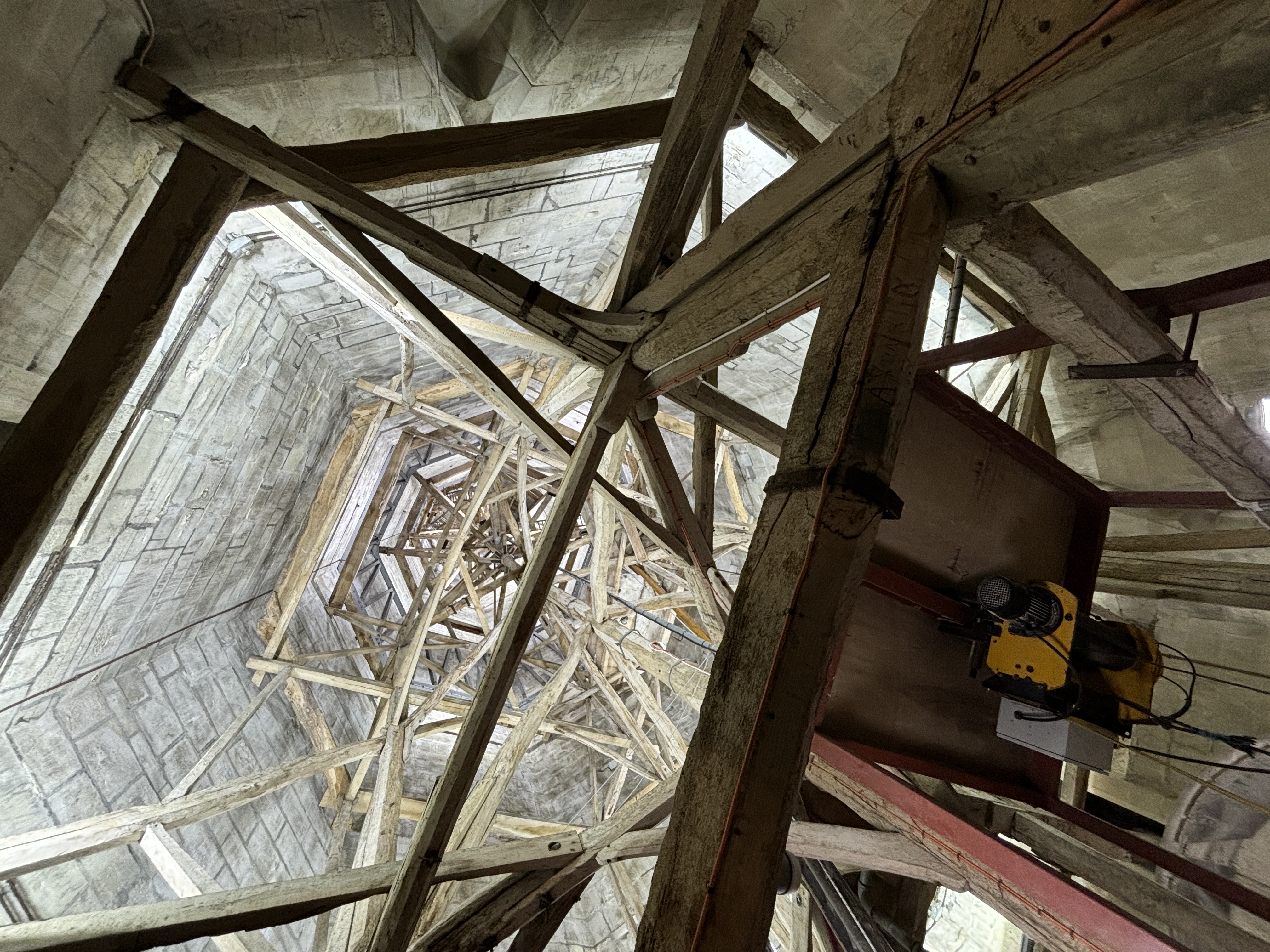
Each tour involves a different part of the cathedral and its history, and all are worth partaking in. However, we highly recommend the Tower Tour. It takes you right up to the top of the cathedral tower to the base of the spire. You begin in the nave of the cathedral. You then walk through unused corridors and staircases intended for those who built the cathedral. It takes you to the top of the cathedral tower, and you learn all about the history of the cathedral and surrounding area as you go. Once you arrive to the base of the spire, you are able to look up the inside of it, seeing the wooden scafolding and supports that are holding the spire up. You are able to step outside to four different viewing platforms, and you get a 360º view across the city. The tour takes approximately 90 minutes, and is something we highly recommend.
Where to Eat at Salisbury Cathedral
There are two options for food in the cathedral; the Refectory (found inside the cloisters) and the Bell Tower Tea Rooms (found in the Cathedral Close), both of which are free for public entry.
Alongside these two options, the city centre is very near to the cathedral and is full of cafés and restaurants. Just make your way back to the town centre through the High Street Gate.
The Refectory
The Refectory offers sandwiches and cakes, as well as hot food and soup, all of which is homemade. Expect one or two different types of soup (regularly tomato and vegetable), and one main meal and vegetarian option a day. The Refectort opens at 9:30, with last orders at 16:45. They close an hour earlier on a Sunday.
Bell Tower Tea Rooms
The Tea Rooms are found to the north of the Cathedral, inside the Close. It is situated where the original Bell Tower once was. In dry weather, you can still see the original foundations of the Bell Tower, as grass does not grow there well. The Tea Rooms offer the same drinks, sandwiches, and cakes as the Refectory, but does not serve any of the hot food or soup options. It is a much more intimate setting, with nice china and full table service. Additionally, there is a lot of outdoor seating where you have a great view of the north side of the cathedral. The Tea Rooms open at 10AM, with last orders at 4:45.
Salisbury Cathedral Tickets
The purchase of a ticket to the Cathedral grants you entry for 12 months from the date of purchase. While tickets for the Tower, Stonemasons, Graffiti and Textile tours grant you access to the main cathedral on the day of your tour, they do not allow you to return in this 12 month period.
Tickets for standard entry into the cathedral are as follows:
- Adult Admission: £12.50
- Student Admission: £9.50
- Young People (12-16): £8.50
- Children below 12 and carers accompanying someone recieve free entry
Please note, the cost of entry is cheaper online, and costs £1 more when booking in person. Tickets can be booked on the Salisbury Cathedral Website.
Tickets for the Salisbury Cathedral Tower Tour are as follows:
- Adult Admission: £25.00
- Student Admission: £21.00
- Young People (11-16): £18.00
- Children below 11 recieve free entry
Prices vary per tour, and the rest of the tours can be found on the Salisbury Cathedral Website.
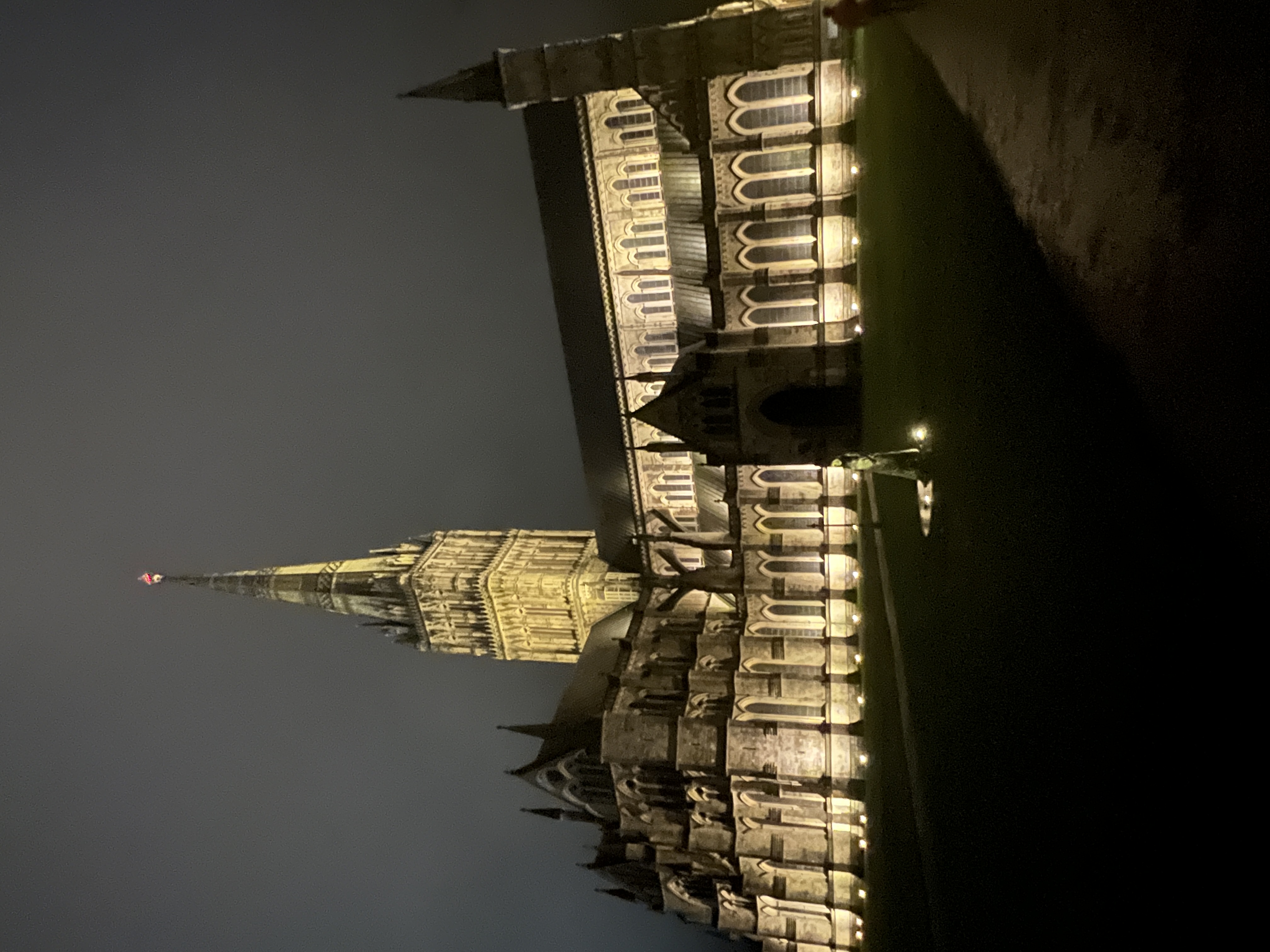
Access to the Cathedral Close and the Cathedral Cloisters is free. If it works with your schedule, we highly recommend a trip to the Close when it's dark to see the cathedral lit up! Just be mindful that the gates lock at 11PM, so you don't want to risk being locked inside.