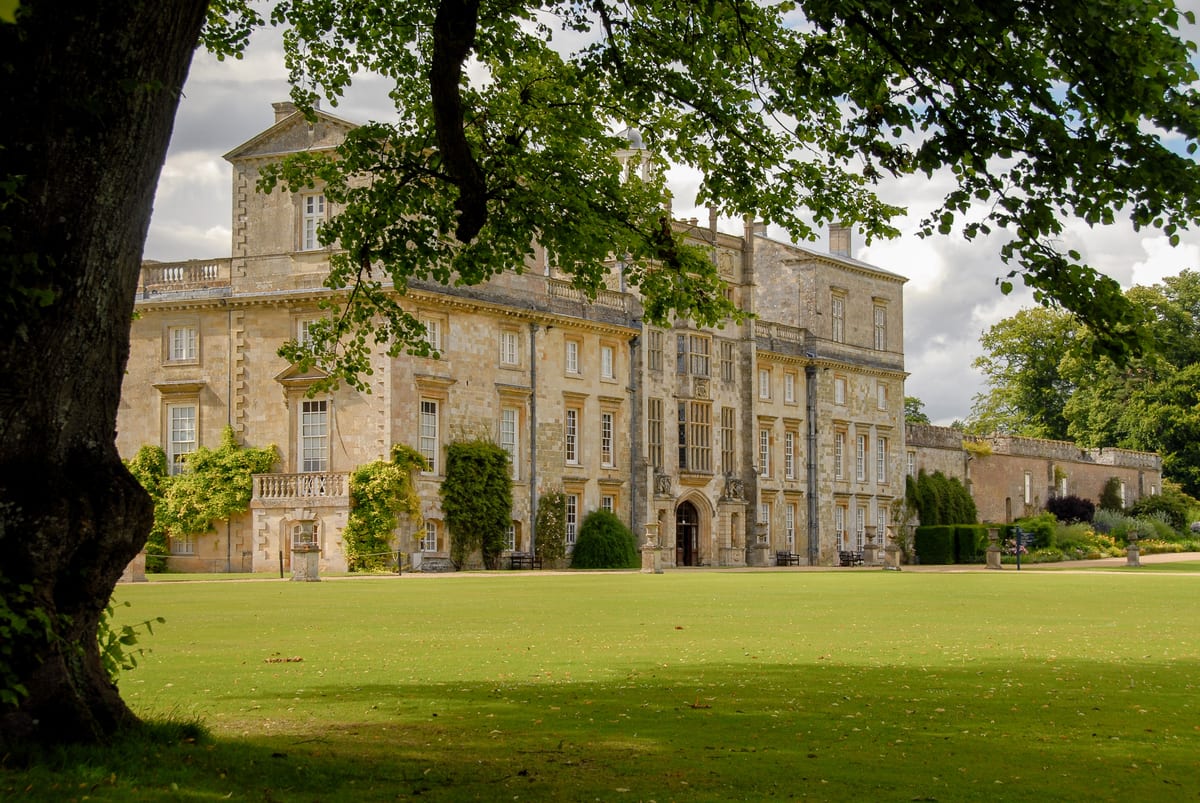
What is Wilton House
Wilton House is the home of the Earl of Pembroke, and is located in Wilton, a town in the outskirts of Salisbury. The earldom of Pembroke is connected with Pembrokeshire in West Wales, and was awarded to the 1st Earl (William Herbert) in order to strengthen English control in the region. The original Tudor house was built between 1544 and 1563, most likely built on the remains of Wilton Abbey, a Benedictine Convent. The house was modernised and reworked in 1801 by James Wyatt, a prominent architect known for his revival of Gothic works around England. The house is still a family residence today, home to the Current Earl, William Herbert. He is 18th Earl of Pembroke, and the 15th Earl of Montgomery.
The Significance of the Town of Wilton
Before the unification of England under King Æthelstan in 927, there were 4 kingdoms: Mercia, Northumbria, East Anglia, and Wessex. Wilton was the capital of Wessex up to the late 9th century, when King Alfred the Great moved the royal seat to Winchester after his wars with the Danes.
Wilton remained the administrative centre of the shire of modern-day Wiltshire until the 11st century. 200 years later, following the move of Salisbury from Old Sarum to its present site, the construction of Salisbury’s new cathedral and its expansion of population and power, Wilton’s regional significance ended.
You can read about the history of Old Sarum below!
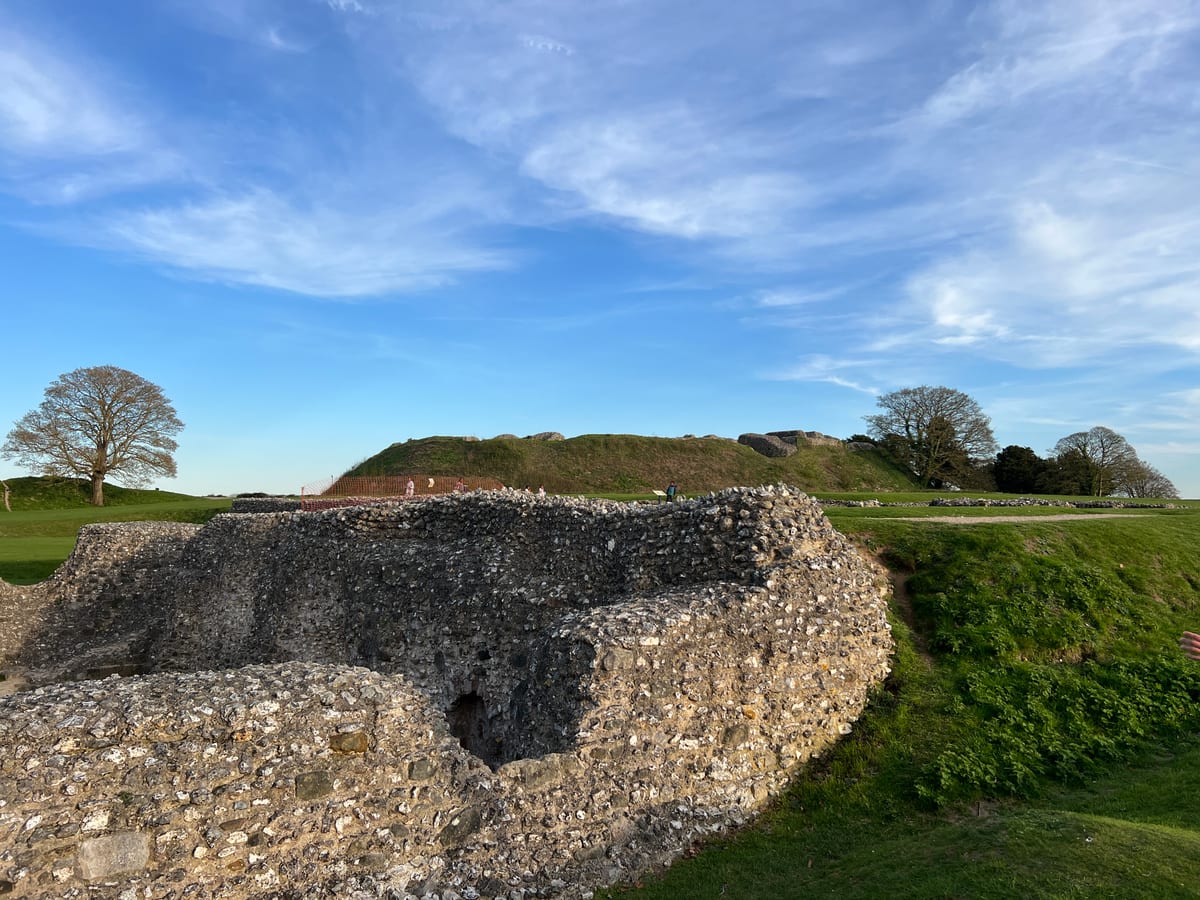
The History of Old Sarum
Old Sarum's Iron Age and Medieval History
Travelling to Wilton House
Wilton House is easily accessible from Salisbury via car or bus. If you're coming from outside of Salisbury, regular trains run directly to Salisbury from most of the South East, and can be booked on South Western Railway's Website.
By Train
- The nearest station is Salisbury. Trains run from London to Salisbury every 30 minutes, taking approximately 1.5 hours. They can be booked directly via South Western Railway or using a train app of your preference. Upon arriving at the train station, there are two bus options that will take you to the front of the house. Buses R3 and R8 are the best bet to get to Wilton House.
By Bus
- A wide selection of buses pass through Wilton, and they depart from Salisbury City Centre and Salisbury Train Station. They can be found on the Salisbury Red's Website.
- Enter your destination (Wilton House) into directions if planning ahead, or live departure times if checking the route the day of your journey. From there enter your starting point and a list of the next possible buses and departure times will show. To use the buses, simply ask the driver for a single or return ticket to Wilton House. You can pay by cash or card.
By Car
- Wilton House is 3 miles from Salisbury City Centre, and complementary parking is provided on-site for visitors to the House or Gardens.
Notice - 2026 Closures
Unfortunately, the House itself is closed throughout 2026 due to refurbishments to the internal heating system. However the rest of the property, including the gardens, play area, cafe and classic car exhibition are all remaining open.
What to do at Wilton House
While the House itself and the indoor exhibits are closed in 2026, there is still plenty to do in the estate, as its spectacular 22 acres of landscaped parkland and gardens remain open to visitors from mid-April through early September.
The Gardens
The grounds are a perfect setting for a calm day out. Bordered by the rivers Wylye and Nadder, there are formal rose and water gardens, a Japanese garden, and plenty of woodland.
Palladian Bridge
A major architectural highlight of the estate is the stunning 18th-century Palladian Bridge with its Romanesque columns. Built in 1736-37 by the 9th Earl of Pembroke, it's one of three Palladian Bridges in England, and one of four in the world.
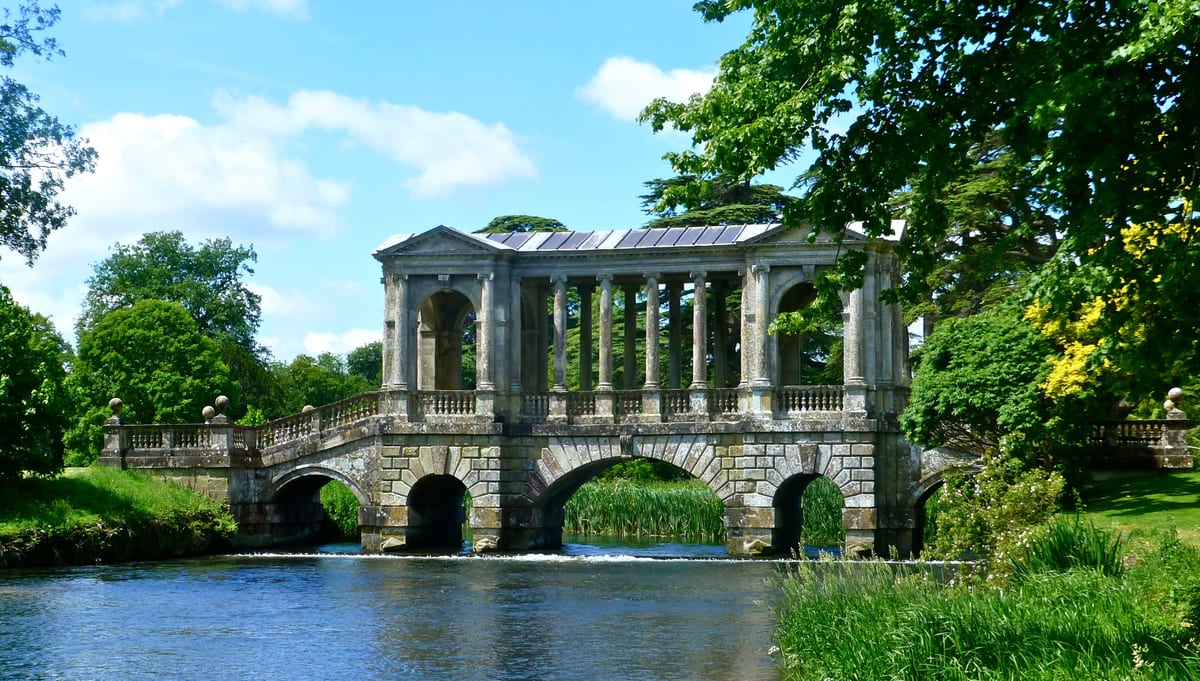
Palladian Bridges are an element of Palladian architecture, a wave that spread across England and was brought about by tours of Europe taken by wealthy young men. These men were sent across the channel to France, Italy, and other regions in order to develop their skills in language, the arts, and cultural understanding. In the 1700s books by Andrea Palladio (1508-1580), an Italian Renaissance artist and architect, were brought to England and subsequently Palladian mansions were built and grew in popularity. Palladian bridges are one element of this architectural style, though most take inspiration from the original designs and are not completely true to form.
Another famous Palladian Bridge is located not far in Prior Park, Bath, and has been featured heavily in English period films. Though more famous, the Prior Park bridge was actually built after (third of the four existing) and was a copy of the original Wilton House bridge, which was the first to be built.
Classic Car Collection
The Car Collection at Wilton House is a reflection of the passion of William Herbert, the current Earl of Pembroke, a motoring enthusiast and active amateur racing driver. Housed in the estate's Old Riding School, this Classic Car Exhibition features a rotating selection of both classic and modern cars. Highlights often include a 1932 Invicta S-Type 'Low Chassis' Competition Tourer that broke British motorsport records in the 1930s, an iconic 1966 Jaguar E-Type, and a silver 2004 Aston Martin Vanquish, which is the same model made famous by the 2002 James Bond film 'Die Another Day'. Admittance to the collection is included in a regular gardens ticket, however it is not open every day, so we recommend you check the website in advance to ensure it is open.
Children's Play Area
Included in a ticket to the Gardens is a wonderful wooden play park. Containing elevated structures, trampolines, swings, and climbing walls, it's a fantastic area for young children.
Wilton House Tickets
Tickets to Wilton House should be purchased on-site, costing £8.50 for an adult and £7.00 for a child. There are also concession tickets available. These tickets grant access to the grounds, play area, café and classic car exhibition (subject to occasional closure).
We recommend you check the website on the day to ensure the grounds are open.
Where to Eat at Wilton House
Wilton House offers a café and gift shop. The café has a rotating menu that can be found here. They offer lunches, homemade cakes, hot and cold drinks, and afternoon tea.
Additionally, they serve local organic ice cream!
Film and TV Appearances
Wilton House is a popular filming location; it has doubled for royal palaces, stately homes, and even the French court. It's appeared in over 50 films and TV shows, with its most famous appearances including:
The Crown
Across all six seasons, Wilton House served as the primary double for the interiors of Buckingham Palace
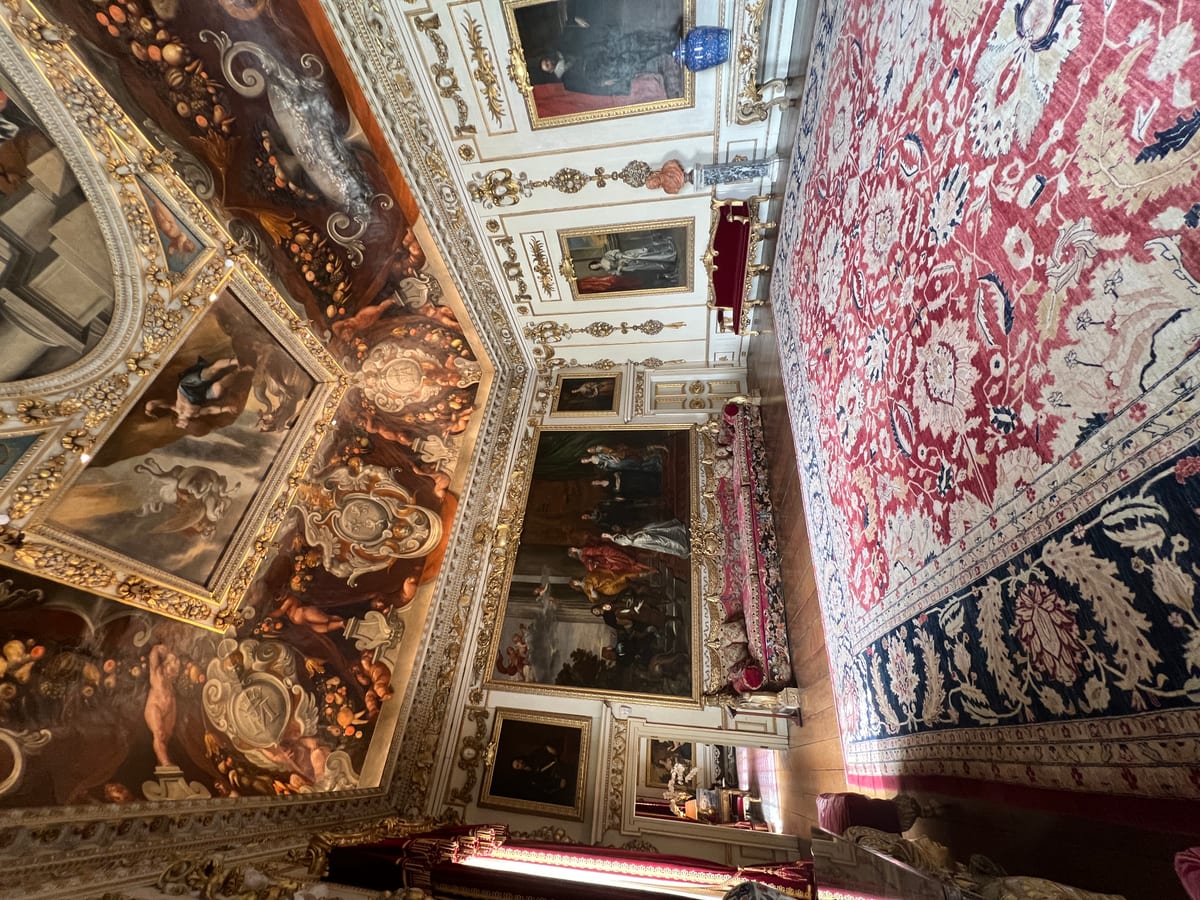
- The Double Cube Room: With gilded carvings and Van Dyck portraits, it stands in for the Queen's formal audience room and the site of royal meetings.
- The State Rooms: The 7 interconnected State Rooms were used for various private royal quarters and official hallways.
- The Grounds: The estate’s parkland provided the backdrop for scenes involving the royal family’s outdoor leisure activities and Buckingham Palace garden strolls.
Bridgerton
- The Double Cube Room: It serves as the Queen's throne room in St. James' Palace, where debutants are presented.
- House Exterior: The exterior of the house and its Gothic corridors double as the London residence of the Duke of Hastings.
- The Grounds: The Palladian Bridge and the riverside lawns frequently stand in for Hyde Park and the setting for the Ton's promenades.
Pride & Prejudice (2005)
In this adaptation, Wilton House provides the interiors for Pemberley, Mr. Darcy's ancestral home.
- The Painted Hall: The grand staircase in the Painted Hall is where Elizabeth Bennet and the Gardiners begin their tour of the house.
- The Sculpture Gallery: This is where Elizabeth looks at the marble bust of Mr. Darcy.
- The Double Cube Room: Used as the drawing room where Elizabeth is first introduced to Mr. Darcy's sister, Georgiana.